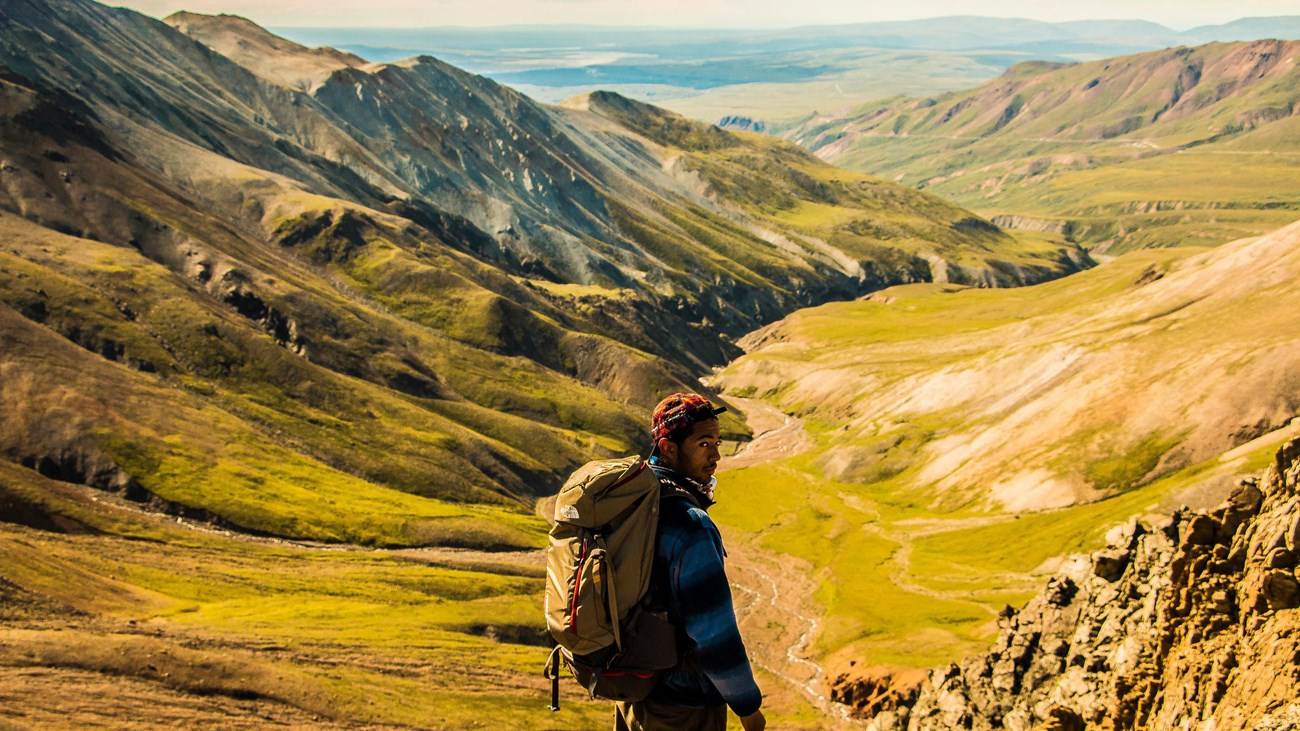
Top 10 Essential Gear Tips for Backpacking Enthusiasts
Planning a successful backpacking trip requires careful consideration of your gear. Here are Top 10 Essential Gear Tips that every backpacking enthusiast should know:
- Choose the Right Backpack: Make sure to select a backpack that fits your body and can comfortably carry your load.
- Invest in Quality Footwear: A good pair of hiking boots can prevent blisters and keep your feet comfortable on long hikes.
- Pack Lightweight Camping Gear: Opt for lightweight tents and sleeping bags; they make transportation easier and enhance your overall experience.
- Stay Hydrated: Always carry a reliable water filtration system to ensure you have access to clean drinking water.
- Dress in Layers: Versatile clothing can accommodate changing weather conditions, allowing you to adjust your body temperature accordingly.
Furthermore, understanding how to organize your gear can make all the difference. Follow these additional gear tips to optimize your backpacking experience:
- Utilize Compression Stuff Sacks: These can help you save space and keep your gear organized, which maximizes your packing efficiency.
- Carry a Basic Repair Kit: A kit with essentials such as duct tape and needle and thread can save your trip if something breaks.
- Prioritize Multi-Function Tools: Tools that serve multiple purposes can reduce weight and clutter in your pack.
- Test Your Gear Beforehand: Familiarize yourself with all your equipment by taking it out on shorter hikes before your big adventure.
- Keep it Balanced: Distribute the weight evenly in your backpack for a more comfortable carry, making a significant impact on your endurance.
How to Choose the Perfect Hiking Boots for Your Adventures
Choosing the perfect hiking boots for your adventures is crucial for both comfort and safety on the trails. Start by determining the type of hiking you'll be doing: day hikes, multi-day treks, or even more challenging terrains require different boot styles. Consider factors such as boot height (ankle support), waterproofing features, and weight of the boots. For instance, low-cut boots are lightweight and ideal for short, well-established trails, while mid and high-cut boots offer more support and protection in rugged environments.
Next, make sure to try on your hiking boots with the socks you plan to wear, and walk around to test comfort. Don’t forget to check for proper fit—there should be enough room for your toes but no excessive sliding in the heel. A good rule of thumb is to try boots at the end of the day when your feet are slightly swollen from the day’s activities. Consider your foot shape as well; some brands cater better to certain foot types, whether you have wide feet, high arches, or flat feet. By keeping these tips in mind, you'll be well on your way to finding the perfect pair of hiking boots for your next adventure!
What to Pack for a Weekend Backpacking Trip: A Complete Checklist
Planning a weekend backpacking trip requires careful consideration of what to bring along. Whether you're a seasoned hiker or a newcomer to the outdoors, having a well-prepared packing list is essential for a successful adventure. Start with the basics: a quality backpack, a sleeping bag suitable for the weather, and a tent that fits your needs. Don’t forget to include a first-aid kit, a multi-tool, and a reliable water purification system, as staying healthy and hydrated is crucial on any excursion. For clothes, aim for moisture-wicking layers, waterproof jackets, and sturdy hiking boots that can handle rugged terrains.
Once the essentials are packed, it’s time to consider the food and navigation tools. Bring lightweight food items such as energy bars, dried fruits, and easy-to-cook meals. A compact stove and some cooking utensils will greatly enhance your mealtime experience in the wilderness. In terms of navigation, a map, compass, or GPS device is vital for finding your way. Make sure to pack a headlamp or flashlight as well, accompanied by extra batteries. For a comprehensive experience, also consider including some recreational items like a portable hammock or a notebook for capturing your thoughts in nature.